

UVF’s Impact Training Weekend

The University of Valley Forge (UVF) is committed to helping students discover and follow their individual callings. While each calling is unique, there is one mission in which everyone can take part! UVF Missions bridges the gap between students, aspiring missionaries, and the global missions field. At its core, UVF Missions is essential to the heart of UVF as it reflects God’s call to share the Good News with the nations. The heart behind UVF Missions is to prepare students for a life of faithful service in both the church and the world.

One of the tools UVF utilizes to equip students to pursue this call is Impact Training. This two-day event is designed to bring students closer to God and deepen their understanding of their role in sharing the Gospel.

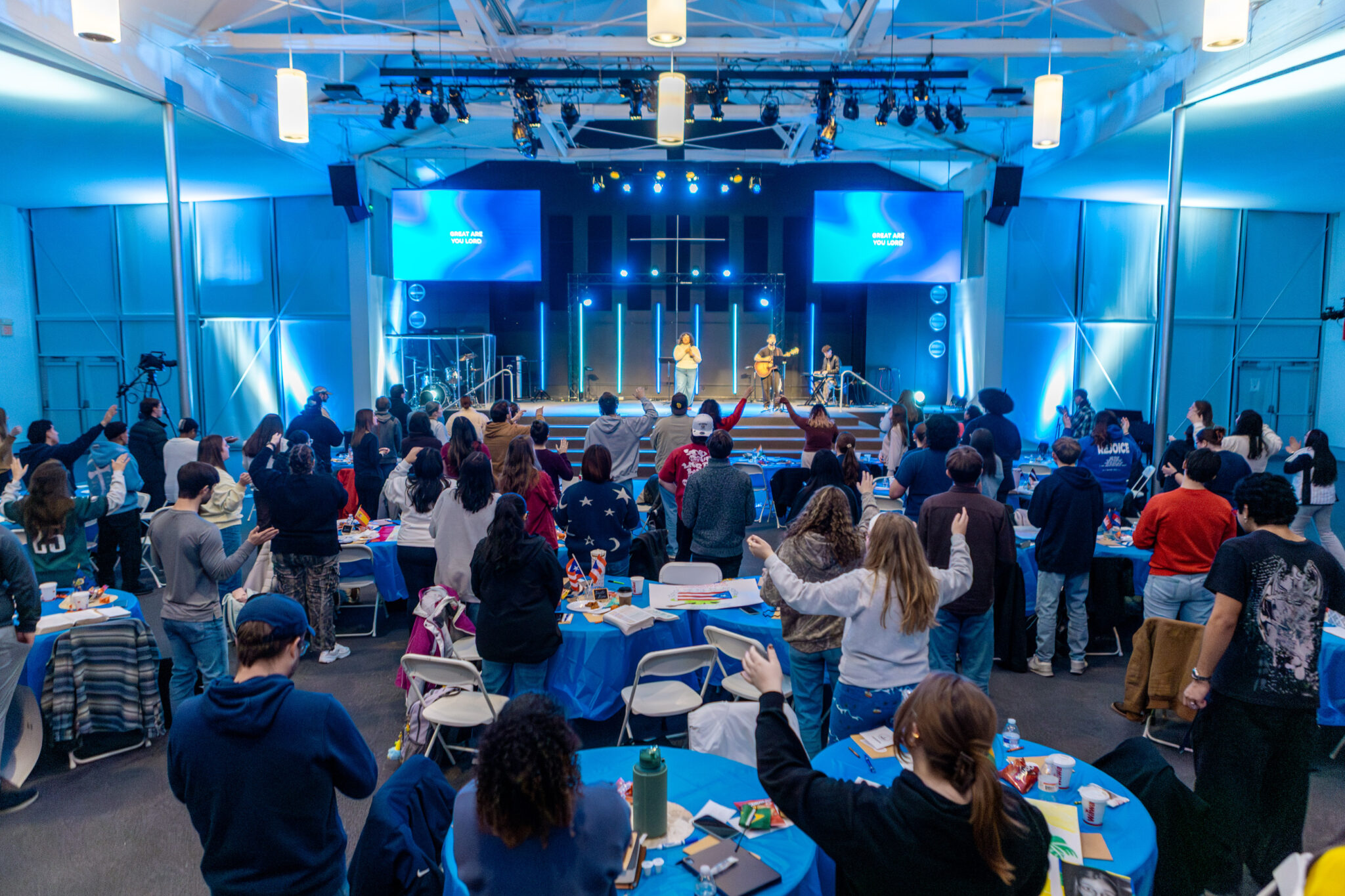
This year, on January 30-31, UVF Missions hosted its annual Impact Training event, where UVF students, faculty, and the Missions Committee came together for a weekend to learn and grow in their calling to share the Gospel.

Rebecca Bartsch, a student on the Sri Lanka missions team, explained, “Impact Training is a formative weekend for many students. It teaches us to have compassion for those outside of our contexts while simultaneously creating a burden for the local mission field. It creates the space to focus our prayers on global believers and the unreached.”

Seasoned missionaries, ministers, and missiologists, such as our own special guest speaker, Reverend Alan Johnson, Secretary of AGWM Missions Commission, invested in our students through large group training sessions and hands-on breakout sessions. From learning about the empowerment of the Holy Spirit to navigating cultural customs, each experience was meant to help our mission teams grow and prepare for real on-the-field ministry. After University of Valley Forge President David J. Kim shared on Effective Cross-Cultural Communication, students continued their prayer and team bonding exercises.

Part of this two-day training weekend that is especially impactful for our community and student body each year is the Commissioning prayer at the close of this event. Team advisors, leaders, and students spend time being prayed over by faculty and staff as they prepare to go out and serve around the world. This time of intercession unites our community in the shared mission of making disciples among the nations.

While Impact Training marks a significant leap in the 2026 mission trips preparation, it is Missions that remains the beating heart behind the University of Valley Forge. The ultimate goal for UVF students is to become and create disciples so that we can spread the Good News to the unreached. “This is important because this is the Great Commission. We are commanded as followers of Christ to preach the Gospel. If we are not sharing the Gospel, are we really following Jesus? It is called the Great Commission, not the Great Suggestion.” – Jada Flint, (Missions Committee).

Even if you do not feel called to a mission trip, you can still play a crucial role in helping the 2026 teams meet their goals! Prayer is one of the most powerful tools we ask people to use in assisting our mission teams. For those who feel led to give, financial support for the UVF Missions Program or individual mission teams helps make these trips possible. To give, visit here to assist us in funding our Missions Program.

Connect with us!

Check Us Out!

Check us out!

Admissions FAQs

Yes, most colleges and universities accept homeschool transcripts. You’ll need to create a transcript that lists all courses taken, grades earned, and a brief description of each subject. Many colleges may ask for additional documentation to verify the curriculum or learning outcomes. 

A homeschool transcript should include the following:   

  • Student’s name and contact information   
  • A list of courses by grade level (9th-12th)   
  • The grades and credits earned for each course   
  • GPA  

You can use online tools or templates to help structure your transcript.

Transcript Template (Right-click and “Save Link As” to download)

No, colleges understand that homeschool students may follow a non-traditional curriculum. You are not required to use a specific homeschooling program, but the courses should be rigorous and meet the academic standards of the college. 

UVF is test-optional, . It’s best to check each college’s specific testing policy. If you submit them, we will use those test scores for placement into math and English coursesIf you don’t submit test scores, we have placement tests that we designed that you will take instead. 

Homeschool students are encouraged to get involved in extracurricular activities (sports, clubs, volunteering, internships, etc.). For letters of recommendation, you can ask mentors, tutors, employers, or community leaders who are familiar with your work and character. We understand that your experiences may look different from those of traditional students. 

Homeschool students typically don’t have a GPA or class rank based on a standardized grading system. You may be asked to provide your grading scale (e.g., A = 90-100, B = 80-89, etc.) and explain how you evaluate coursework. . 

If your grading was pass/fail, a work sample does help us evaluate the rigor of your coursework. 

Yes, homeschooled students are eligible for the same federal and state financial aid (e.g., FAFSA) as other students. You are also eligible for institutional scholarships. 

You may be asked to provide documentation showing that your homeschooling complies with the laws of your state (e.g., notice of intent to homeschool, records of testing or assessments). We are familiar with most states’ homeschool laws. 

Yes, you can still apply as a homeschooled student if you were homeschooled for any portion of high school. You’ll need to explain the structure of your education and provide transcripts for both your public/private school and homeschool years, if applicable. 

A GED is not required if you have completed your high school education through homeschooling, provided you can submit a detailed transcript and meet the other application requirements. However, if you took the GED, you may submit those scores as part of your application if they are beneficial. 

We value the self-motivation and discipline that often come with homeschoolingOur homeschooled students typically excel in academic curiosity, resilience, and ability to work independently. 

We always encourage students to come for an on-campus visitIt can be a great opportunity to showcase your personality and explain your homeschooling background in person. It’s also a chance to ask questions about the college and demonstrate your interest in the school. 

Homeschooling allows you to tailor your education to your interests and strengths. We appreciate the diversity of perspectives that homeschool students bring, so don’t be afraid to highlight how your education has been non-traditional but still rigorous and meaningful. 

If you’ve taken college-level courses during high school (dual enrollment), make sure to include those credits on your application. You’ll need to request official transcripts from the college(s) where you took courses and submit them to your prospective schools. 

Some scholarships are specifically for homeschool graduates. These may be offered by homeschool associations, local foundations, or certain colleges. It’s a good idea to research scholarships in your area or inquire about opportunities at the colleges you’re applying to.